How to Choose the Right Tiles for a Melbourne Home Renovation

Renovating in Melbourne is a bit different to renovating anywhere else. One week it’s dry heat, the next it’s cold and damp, and a lot of homes mix old bones with modern updates. That’s why picking the right tiles in Melbourne isn’t only about what looks good in a showroom it’s about what will hold up, clean easily, and suit the style of your place for years.
If you’re planning a bathroom, kitchen, laundry or full floor update, here’s a practical guide to help you choose tiles that make sense for Melbourne living.
1) Start with how each room is used
A tile that works perfectly in a hallway might be a headache in a shower. Before colours and patterns, think about water, traffic, cleaning, and safety.
Bathroom tiles
Bathrooms need tiles that handle constant moisture and daily cleaning. Porcelain and ceramic are common choices because they’re low-maintenance and water-resistant. For floors, go for a matte or lightly textured finish polished tiles can look amazing but can get slippery when wet.
A tip that helps: smaller floor tiles (or larger tiles with a higher slip rating) can give better grip because there’s more grout underfoot.
Kitchen tiles
Kitchens take a beating: spills, heat, crumbs, chairs scraping, and heavy foot traffic. For kitchen floors, choose a hard-wearing tile that won’t stain easily. For splashbacks, glazed ceramic or porcelain is popular because you can wipe it down quickly without special cleaners.
If you love white grout in the kitchen, just be realistic choose a grout that’s stain-resistant, and seal it properly if needed.
Living areas and hallways
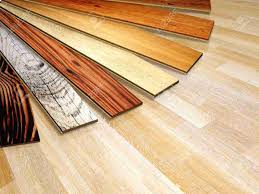
If you’re tiling a living room or open-plan space, comfort and warmth matter as much as durability. Large-format tiles can make a home feel more open and modern, especially in newer builds and extensions. If you want something softer visually, wood-look porcelain tiles can give that warm timber feel without the scratching and water worries.
For busy hallways, pick a tile that hides dust and scuff marks mid tones and gentle texture usually work better than glossy dark tiles.
2) Factor in Melbourne’s weather (especially for outdoor tiles)
Melbourne’s temperature swings and wet winters can expose weak choices, particularly outside.
Porcelain: a safe all-rounder
Porcelain is dense and less porous than many other options, which makes it a solid pick for Melbourne homes. It’s widely used indoors, and many ranges are rated for outdoor use too. If you want one tile finish flowing from inside to outside, porcelain often makes that easier.
Ceramic: best kept indoors
Ceramic tiles can be great value and look fantastic on walls and light-use indoor floors. But for outdoor areas exposed to weather, they’re generally not the first choice.
Natural stone: beautiful, but needs care
Stone tiles like marble, travertine or bluestone can look incredible in the right home, especially in period renovations. The trade-off is maintenance. Many stones are porous and need sealing to help prevent stains and water marks. If you’re okay with a little upkeep, stone can be worth it. If you want “set and forget,” porcelain that mimics stone may be easier.
3) Match the tile to your home’s style (not just the trend)
Tiles are one of the first things people notice, and they can either suit a home instantly or feel out of place.
Contemporary homes
Clean lines, larger tiles, simple colours and low-contrast grout are common in modern Melbourne builds. Think soft greys, warm whites, beige tones, and concrete-look finishes.
Period, Victorian and Federation homes
Melbourne has plenty of heritage homes, and tiles can help keep their character intact. Patterns, mosaics, and classic shapes often suit these spaces better than ultra-minimal finishes. A small feature area like an entryway or bathroom floor can add personality without overdoing it.
Scandinavian-inspired interiors
Light, airy spaces pair well with pale stone looks, white subway tiles, and soft timber-look porcelain. Keep finishes simple and let texture do the work.
Industrial style
Concrete-look tiles, darker tones, and larger formats suit warehouse conversions and modern industrial interiors. A slightly textured, matte finish usually feels more authentic than high-gloss.
4) Use tile size and layout to change how a room feels
Tile size isn’t only a style choice it changes how big (or busy) a space looks.
- Large-format tiles can make small rooms feel bigger because there are fewer grout lines.
- Subway tiles are a classic for walls and splashbacks. Change the layout (vertical stack, herringbone) to make it feel more modern.
- Hexagon or geometric tiles work well as a feature zone niches, floors in powder rooms, or a fireplace surround without taking over the whole house.
Also consider grout colour early. A matching grout gives a calmer look. A contrasting grout highlights the pattern and layout.
5) Don’t ignore slip resistance (especially in wet areas)
For bathrooms, laundries, entryways, and outdoor paving, slip resistance matters. In Australia, many tiles have a slip rating (often shown as an R-rating). As a general rule:
- Indoor dry areas: lower slip resistance can be fine
- Wet areas and outdoors: choose a tile made for moisture and traction
Matte and textured tiles usually provide better grip than polished finishes. If you’re renovating for kids, older family members, or a rental property, this is worth prioritising.
6) Choose durability for the way you actually live
A tile might look perfect, but if it chips easily or shows every mark, it becomes annoying fast.
- Porcelain is a strong pick for busy homes hard-wearing, scratch-resistant, and low-porosity.
- Stone can wear beautifully but needs sealing and the right cleaning products.
- Wood-look porcelain is great if you want warmth without worrying about water, pets, or dents.
If you can, view tiles in natural light. Melbourne lighting can be quite grey in winter, and a tile that looks warm in-store can look cooler at home.
7) Budget smart: spend where it shows, save where it doesn’t
Tile costs add up quickly once you include adhesives, grout, waterproofing, trim pieces, and labour.
A simple way to plan:
- Spend more on feature areas (a shower wall, niche, splashback, entry floor)
- Choose solid, reliable tiles for large areas (main floors, big wall runs)
Also remember: complicated patterns (herringbone floors, tiny mosaics, lots of mitred edges) usually increase installation time and cost. Sometimes a simpler tile installed beautifully looks more high-end than an expensive tile installed poorly.
Final thoughts
The best renovation results usually come from balancing three things: how a tile performs, how it suits the home, and how it fits your budget. Melbourne’s climate and mix of housing styles makes that balance even more important.
If you’re still narrowing down options, it can help to short-list tiles by room first (bathroom, kitchen, living, outdoor), then refine by finish, slip rating, and colour. You’ll end up with a home that looks right and works properly day to day.
For more renovation and tile planning ideas, you can also browse local advice and inspiration here: https://joshuatiles.com.au/

Comments
Post a Comment